Nobody Is Handing Out Permission Slips: How to Become the Authority Your Creative Work Needs

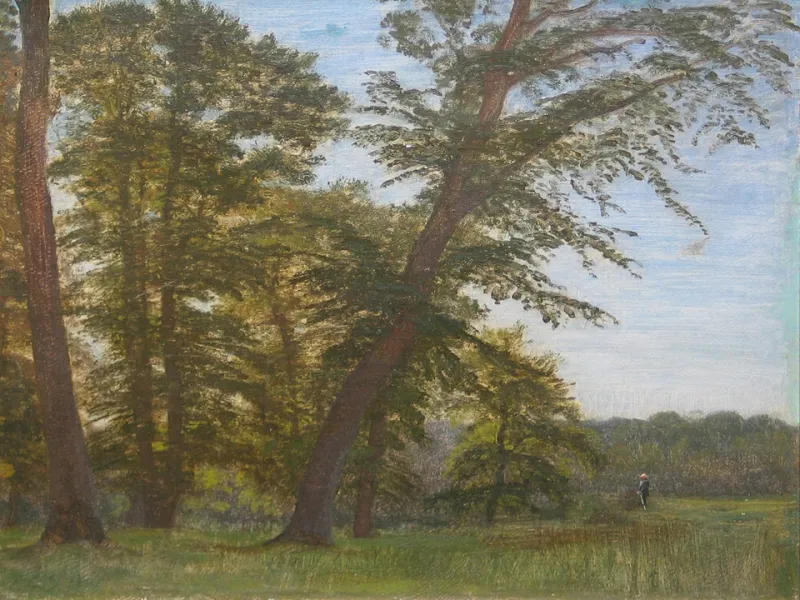
Photo: Ірина Бучнєва, CC0, via Wikimedia Commons
There's a version of this story almost every creator knows personally. You've got the idea. You've maybe even got the skills. But something keeps you from pulling the trigger — some invisible checkpoint you're waiting to clear before you allow yourself to move forward.
Maybe you're waiting for a mentor to co-sign your direction. Maybe you're holding out for a publisher, a label, a gallery, or some institutional gatekeeper to wave you through. Maybe you're just waiting for enough people to tell you that yes, this is good, yes, you belong here, yes, you have our blessing.
Here's the uncomfortable truth: that clearance is almost never coming. And even when it does, it rarely feels like what you imagined.
Why Creators Get Stuck in the Permission Loop
This isn't about weakness or insecurity, even though it can look that way from the outside. The instinct to seek external validation before committing to creative work is deeply human — and in a lot of contexts, it's actually smart. We're wired to look for social proof. We read the room. We test ideas before investing in them.
But creative work doesn't operate on the same logic as a job application or a business proposal. The people you're waiting on — the editors, the producers, the established voices in your field — they don't have access to your vision. They can't evaluate what your work will become. They can only assess what it looks like right now, through the lens of what's already worked before.
That's not a flaw in the system. It's just how gatekeeping functions. And it means that waiting for their verdict before you fully commit is essentially asking someone with incomplete information to make a decision that only you can make.
The Hidden Cost of Waiting
The thing about the permission loop is that it feels productive. You're not just sitting around — you're preparing, refining, networking, building your case. You're getting ready to be ready.
But time spent waiting for external authorization is time not spent building the body of work that would actually generate credibility. There's a compounding effect to consistent creative output that you simply can't replicate by waiting in the wings.
Think about the creators you admire who seem to carry a kind of unshakeable authority in their field. That quality rarely came from someone anointing them. It came from years of showing up, making decisions, putting work into the world, and owning the results — good and bad. The authority is built, not granted.
Every month you spend waiting is a month that compounding effect isn't working for you.
What Self-Authorization Actually Looks Like
This is the part where a lot of advice gets vague, so let me try to be specific.
Self-authorization isn't a mindset shift you achieve through journaling or a confidence boost from a good podcast episode. It's a practice. It shows up in the small decisions you make every day about your work.
Start making decisions without asking for a vote. Pick the direction for your next project and commit to it without floating it to five people first. You can gather feedback later, after you've made something. But the initial creative call — the one that defines what the thing actually is — that one has to come from you.
Ship before you feel ready. The readiness you're waiting for is largely a fiction. Most creators who look confident and decisive from the outside will tell you privately that they still feel like they're winging it. The difference is they ship anyway. They've learned to treat that discomfort as a signal that the work is real, not that it's unfinished.
Build a track record with yourself. One of the reasons external validation feels so necessary is that we don't fully trust our own judgment yet. You build that trust the same way you build any kind of trust — through consistent follow-through. Set small creative commitments and honor them. Over time, your own authority becomes something you've actually earned, not just declared.
Own your influences without apology. Part of seeking permission is the hope that someone official will tell you that your particular blend of influences and instincts is legitimate. Skip that step. Your aesthetic is valid because you developed it and you're using it with intention. That's enough.
On Mentors and Feedback — Because They Still Matter
None of this means you should work in isolation or dismiss feedback from people you respect. Mentors are valuable. Honest critique is valuable. Community matters.
But there's a difference between seeking input to sharpen your work and seeking permission to exist as a creator. The first is a tool. The second is a trap.
When you approach a mentor or a trusted reader, go in with a specific question about the work — not an unspoken plea for them to tell you whether you should keep going. The second thing isn't fair to ask of anyone, and most people can't answer it meaningfully anyway. Only you know what this work means to you and what you're willing to put into it.
The Long Game
Building creative authority is genuinely a long game. There's no shortcut that skips the years of output, the failed experiments, the projects that landed with a thud. The creators who seem to carry the most weight in their fields have almost universally paid those dues.
But here's what's worth remembering: the clock only starts when you stop waiting. Every piece you put into the world, every decision you own, every project you see through without someone else's blessing — that's a deposit in an account that only grows.
The permission you've been waiting for? You've always had the authority to issue it yourself. The question is whether you're ready to actually use it.
Start there.