The Messy Middle: Why Creators Fear Sharing Their Process More Than Their Finished Work
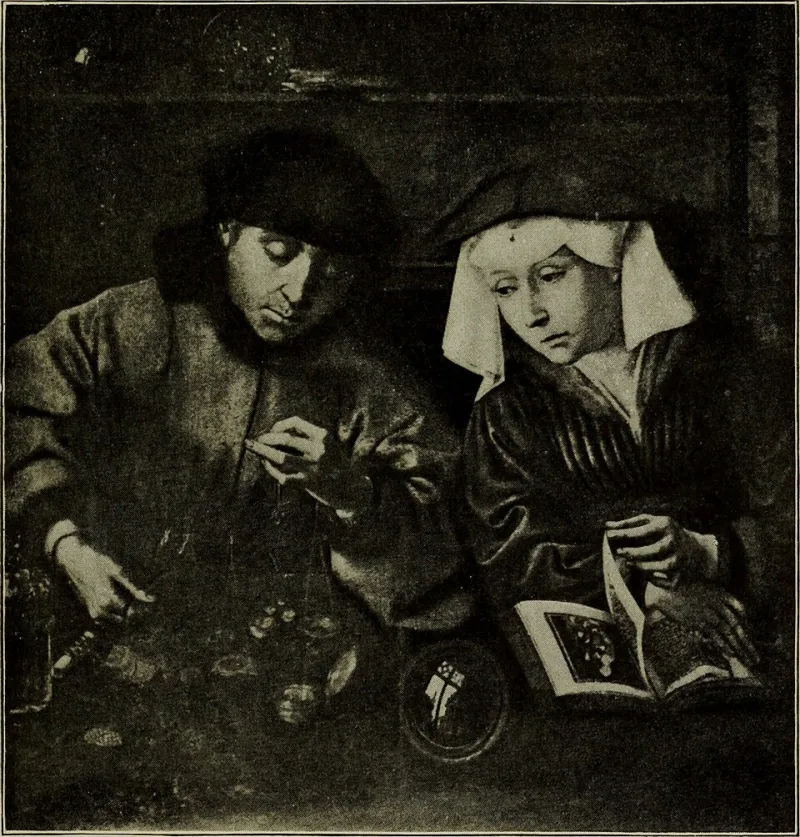
Photo: Internet Archive Book Images, No restrictions, via Wikimedia Commons
I've talked to a lot of creative people over the years—writers, designers, filmmakers, musicians—and almost all of them share a particular flavor of anxiety. It's not the fear of releasing finished work into the world. That's nerve-wracking, sure, but most creators learn to push through it. The deeper fear is something quieter and stranger: the terror of letting someone watch while you're still figuring it out.
You'll post the final cut. You'll share the published piece. But the half-finished draft? The sketch covered in crossed-out lines? The voice memo where you're clearly working something out and getting it wrong? That stuff stays locked in a folder somewhere, hidden from everyone.
And honestly, that's a shame. Because that messy middle is often where the most interesting storytelling lives.
The Illusion We're All Trying to Protect
Here's the psychological trap most of us fall into: we believe that competence looks like certainty. If people see us hesitate, backtrack, or produce something genuinely bad before we produce something good, they'll decide we don't actually know what we're doing.
But think about the last time you watched a documentary about a creative you admire. Didn't the footage of Springsteen scrapping a song and starting over make you respect him more? Didn't seeing Pixar's early, terrible versions of Toy Story make the final film feel more miraculous, not less impressive?
We hold ourselves to a standard we don't actually apply to anyone else. We extend grace to other artists for struggling, then deny it to ourselves.
There's also a professional identity piece at play here. A lot of creators—especially freelancers and independent artists building a reputation—have tied their sense of legitimacy to the quality of their output. Showing process feels like exposing the machinery, and somehow, we've convinced ourselves that the machinery is embarrassing.
It isn't.
What Audiences Actually Want
Here's something that gets lost in the conversation about professional credibility: audiences aren't just buying a product. They're buying into a person. Especially in today's media landscape, where the parasocial relationship between creator and audience is more intimate than ever, people want to feel connected to the human being doing the work—not just the polished artifact that person produces.
When you share your process—the false starts, the pivot moments, the afternoon you threw out three pages and started over—you're not undermining your expertise. You're demonstrating it. You're showing people how you think, not just what you can produce when thinking goes well.
That's a fundamentally different and, I'd argue, more valuable thing to offer.
Some of the most-followed creators in the US right now built their audiences almost entirely on process content. Not tutorials. Not polished behind-the-scenes packages. Just honest, real-time documentation of what it looks like to be in the middle of making something. It's compelling because it's true—and truth, in a world drowning in curated content, is genuinely hard to come by.
The Practical Fear: Protecting Work That Isn't Ready
Okay, let's get real for a second, because there are legitimate concerns here that deserve acknowledgment rather than hand-waving.
Sharing process content does come with real risks. If you're working on something under NDA, you obviously can't document it publicly. If you're developing a concept that could be scooped or diluted by early exposure, caution makes sense. And sometimes—let's be honest—a piece of work is so early in development that sharing it would genuinely mislead people about what you're trying to create.
Those are real considerations. But they're not the reason most creators avoid showing their process. Most creators avoid it because of the emotional risk, not the practical one. And emotional risk is worth taking.
How to Start Without Blowing Up Your Credibility
If the idea of opening up your creative process still makes you uncomfortable, start smaller than you think you need to.
Narrate, don't just show. Instead of posting a rough draft cold, share it with context. Tell people where you are in the process, what you're trying to solve, what's working and what isn't. Framing transforms vulnerability into insight.
Choose one platform for process content. You don't have to make every channel a behind-the-scenes feed. Maybe your Instagram stays polished and your newsletter is where you get real about the struggle. Give yourself a contained space to experiment with transparency before you decide how much you want to open up.
Talk about past struggles, not just current ones. If sharing live, in-the-moment process feels too exposed, try the retrospective version first. Write about a project that didn't go the way you planned—after it resolved. You get the vulnerability without the raw, unresolved anxiety.
Ask questions instead of just confessing. Process content doesn't have to be you monologuing about your failures. It can be you inviting conversation: I'm stuck on this structural problem—has anyone else dealt with something like this? Suddenly you're building community around your struggle, not just broadcasting it.
The Deeper Argument
I think the real reason this matters goes beyond audience engagement metrics and personal branding strategy. It goes to something more fundamental about what creative work actually is.
Creativity isn't a vending machine. You don't put in effort and get out a masterpiece. It's a process full of failure, recalibration, and occasional breakthroughs that feel almost accidental. When we only ever show the finished product, we perpetuate a myth—that great work arrives cleanly, that talented people don't struggle, that the gap between your current work and the work you admire is just a talent gap rather than a process gap.
That myth hurts people. It discourages newer creators who think the messiness they experience means they don't belong. It isolates experienced creators who feel like they're the only one still fighting through it.
Showing your process is, in a small but real way, an act of generosity. It says: this is hard for me too, and that's okay, and you're not alone in it.
That's worth a little discomfort.