When Honesty Becomes a Cage: Rethinking What 'Authentic' Really Means for Creators
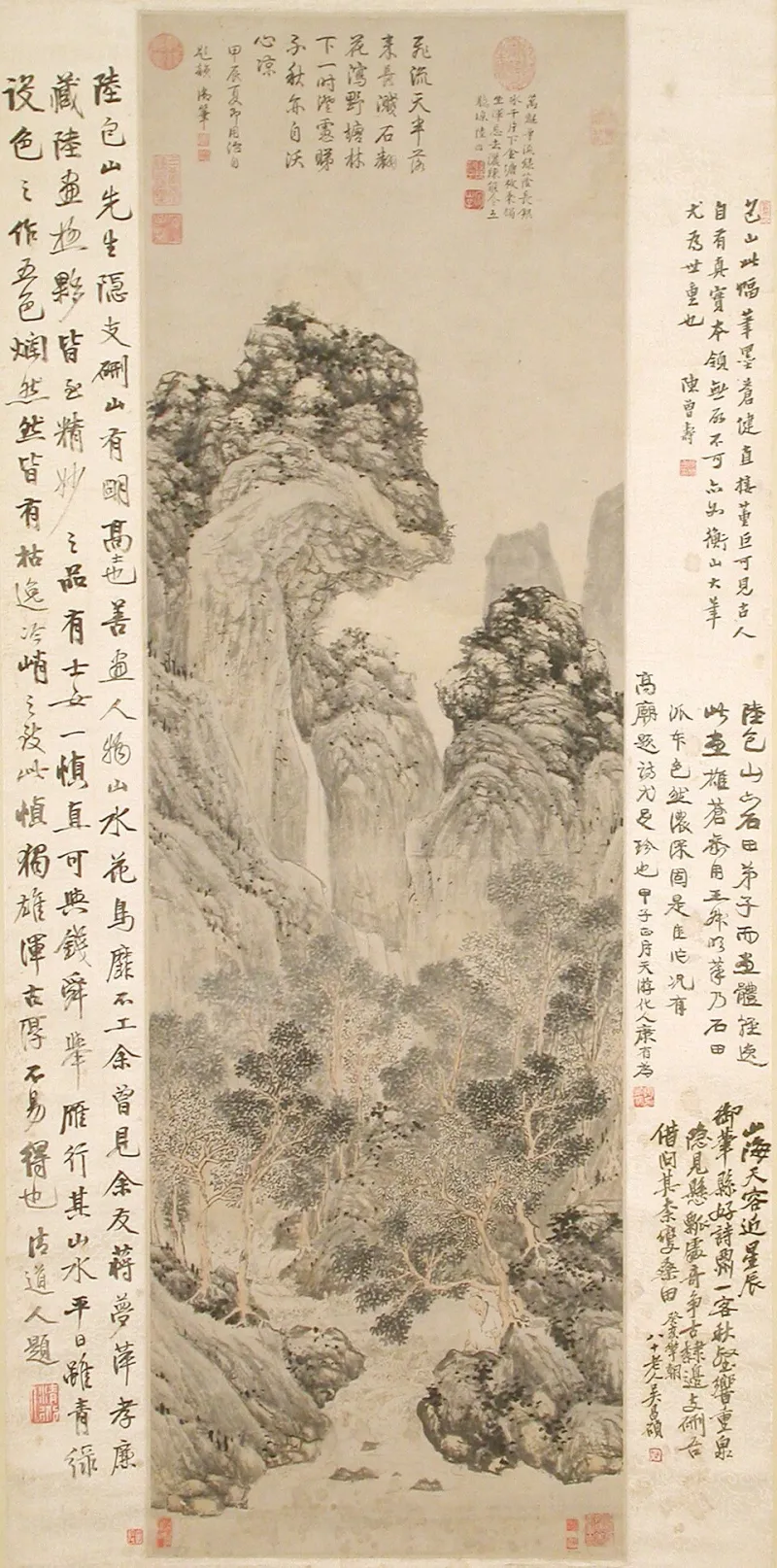
Photo: Lu Zhi, CC0, via Wikimedia Commons
Somewhere along the way, the creative world decided that authenticity was the highest virtue. Pour yourself onto the page. Share the messy truth. Don't overthink it. Just be real.
And look, there's something genuinely valuable in that impulse. But I've been watching a lot of talented people get stuck—not because they're being fake, but because they're being too unfiltered. They've confused raw exposure with meaningful storytelling, and the work is suffering for it.
Here's the uncomfortable thing nobody wants to say out loud: your truest, most unguarded self can sometimes be your worst creative collaborator.
The Myth of the Unfiltered Voice
When we talk about authentic storytelling in the US creative landscape—whether that's podcasting, memoir writing, personal essays, or even social content—there's a dominant cultural script that goes something like this: the more vulnerable you are, the more powerful the work. Drop the mask. Show the wound. The audience will feel it.
And sometimes, yes, that's exactly right. There are moments when raw, barely-processed emotion hits the reader or listener like a freight train, and that's the whole point.
But that's not the default. That's not the rule. That's a specific tool being used at the right moment by someone who knows what they're doing.
For most creators, especially early on, unfiltered honesty produces something closer to a therapy journal than a compelling piece of work. It's real, sure. It's also often shapeless, self-indulgent, and frankly hard to sit with—not because it's too raw, but because it hasn't been crafted into something that invites the audience in.
There's a difference between truth and useful truth. Your job as a creator is to figure out which one you're working with.
Your Inner Editor Isn't the Enemy
Here's where I want to push back on something. A lot of creative advice frames the internal critic—the part of you that hesitates, second-guesses, or pulls back—as the enemy of authentic work. Kill the inner editor. Silence the self-doubt. Let it rip.
But what if that hesitating voice isn't fear? What if it's taste?
Experienced creators know the difference between the voice that says this isn't good enough (fear) and the voice that says this isn't working yet (craft). The second voice is incredibly valuable. It's the part of you that understands your audience, knows the shape a story needs to take, and recognizes when you're dumping your feelings onto the page instead of building something that actually lands.
Strategic omission—choosing what not to include—is one of the most powerful editorial moves a creator can make. The scenes you cut. The details you leave out. The emotional beat you let the reader infer rather than spelling out. These choices don't make your work less authentic. They make it more precise, which is its own kind of truth.
The Paradox of Performing Realness
There's another layer here that's worth sitting with. In the age of personal branding and content creation, a lot of what gets labeled as "authentic" is actually a highly curated performance of authenticity. The unpolished Instagram caption that took forty-five minutes to write. The "raw" confession that's been workshopped into something strategically vulnerable.
I'm not throwing shade at that process, by the way. Crafting the appearance of spontaneity is a legitimate creative skill. But it does reveal something interesting: even the most "real" content creators are making deliberate choices about what version of themselves shows up in the work.
The question isn't whether you're editing yourself. You are. Everyone is. The question is whether you're doing it consciously or letting it happen by default—either over-sharing because vulnerability feels brave, or over-protecting because exposure feels dangerous.
Both of those defaults get in the way of good work.
What Craft Actually Looks Like
So what does it look like in practice to collaborate with your authentic self rather than being held hostage by it?
First, it means recognizing that your lived experience is raw material, not the finished product. Your actual feelings, memories, and perspectives are the source. But a source isn't a story. The work of transforming one into the other requires distance, structure, and yes, some deliberate shaping.
Second, it means asking a different question before you share something. Instead of is this true?, try asking is this true in a way that's useful to someone else? That reframe doesn't compromise your honesty. It focuses it.
Third—and this is the one people resist the most—it means accepting that your most intense personal experiences are sometimes the hardest to write about well. Proximity distorts perspective. The things that matter most to us are often the things we have the least creative distance from. That's not a reason to avoid them. It's a reason to approach them with more craft, not less.
Real Authenticity Is a Discipline
I think the version of authenticity that actually serves creative work isn't about unfiltered exposure. It's about alignment—between what you genuinely believe, what you're trying to communicate, and the choices you make in service of that communication.
That kind of authenticity requires discipline. It requires you to know yourself well enough to recognize when you're being genuinely honest versus when you're being emotionally reactive. It requires you to care more about the effect your work has on an audience than about the catharsis of making it.
And honestly? That's harder than just pouring it all out. It takes more courage to shape something than to dump it.
Your real self—the one with something worth saying—isn't the one who skips the editing process. It's the one who takes the mess seriously enough to do the work of turning it into something that lasts.
That's the version of you worth collaborating with.